Maintenance checklists for water softeners and filters
A softener, a whole-home filter, and an under-sink RO system each need their own kind of upkeep. None of it is complicated, but skipping it is how a system that’s working fine today quietly stops working a year from now. Pick the system you have below.
Runs quietly, but not on its ownKeeping a water softener working the way it should
+
Keeping a water softener working the way it should
A softener does its job in the background, which is exactly why it's easy to forget about. Most of what it needs is simple, but skip it long enough and you'll be back to hard water without any warning first.
The checklist
Monthly
- ✓
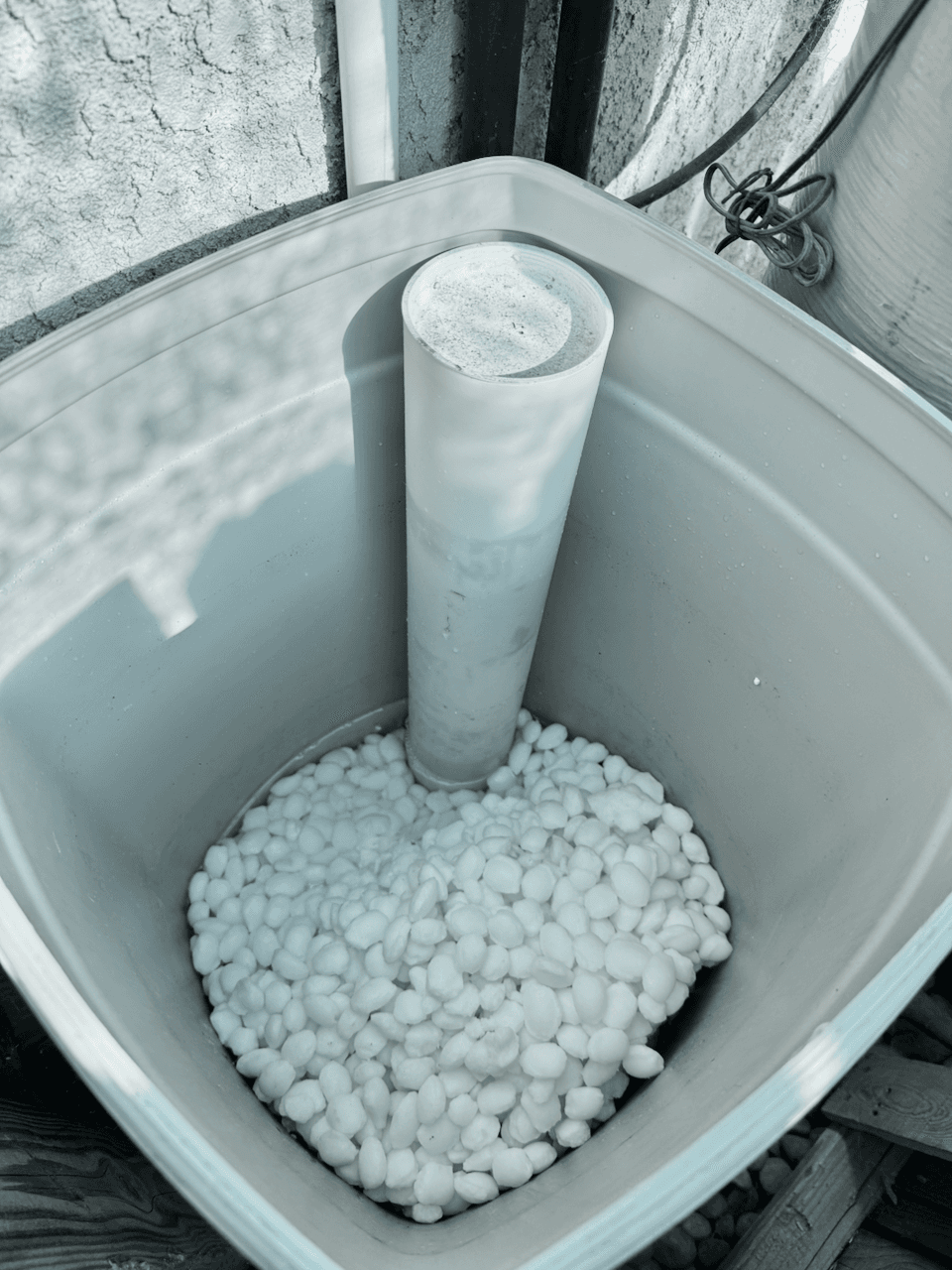
Check the salt level in the brine tank. Keep it at least a third full, and don't let it run dry between refills. A softener without salt just stops softening, quietly, until you notice spots again.
- ✓
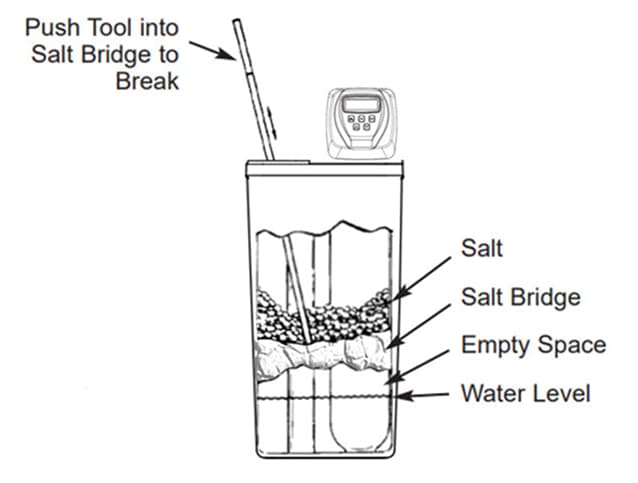
Look for salt bridges and mushing. Humidity can cake salt into a hard crust above the water line, or turn it into a thick sludge at the bottom. Either one blocks the tank from drawing brine even though it looks full.
Every 3 to 6 months
- ✓
Clean the brine tank. Sediment settles at the bottom over time. An occasional rinse-out keeps it from building up into something that clogs the injector or valve.
- ✓
Run a resin cleaner through the system. Iron and sediment in your water slowly coat the resin beads, and a cleaner strips that buildup off so the resin can keep exchanging minerals at full capacity.
Annually
- ✓
Test your water hardness at the tap. This confirms the softener is still doing its job end to end, not just running through its cycles. A cheap test strip or a call to your provider both work.
Every 10 to 15 years
- ✓
Plan for resin replacement. Resin beads wear out with use. If your water stays hard even after fresh salt and a clean brine tank, worn-out resin is usually why.
Warning signs that immediate maintenance may be needed
Spots are back on glasses and fixtures
Usually the first sign, and it means the softener isn't keeping up, not necessarily that it's broken.
Salt keeps disappearing faster than usual
Can point to a leak in the system or a valve that's regenerating more often than it should.
The brine tank smells or looks cloudy
Sediment or bacteria buildup, and a sign it's overdue for a cleaning.
Water pressure drops noticeably
Can mean the resin bed or the valve itself is starting to clog.
The schedule depends on what it's filteringKeeping whole-home filtration working the way it should
+
Keeping whole-home filtration working the way it should
A cartridge housing and a backwashing carbon or sediment tank need different upkeep. Cartridges just need swapping on schedule. A backwashing tank needs the same kind of attention as a softener, since it's cleaning itself the same way.
The checklist
Monthly
- ✓
Check water pressure and flow. A clogging filter shows up as slowly dropping pressure long before it fails outright. Catching it early means a simple cartridge swap instead of a system that's been starved of flow for weeks.
Every 3 to 6 months
- ✓
Replace sediment and carbon cartridges. Sediment cartridges clog with the dirt and rust they're catching. Carbon cartridges lose their ability to pull chlorine taste and odor out well before they look dirty.
- ✓
Check the backwash cycle on tank-style systems. Confirm it's actually backwashing on schedule and draining fully. A cycle that's silently failing lets sediment build up inside the media bed.
Annually
- ✓
Test water at a tap past the filter. Confirms the system is still pulling out what you bought it for, whether that's chlorine taste, iron staining, or sediment.
Every 5 to 10 years
- ✓
Plan for media replacement in tank-style systems. Carbon and other filter media exhaust over years of use, even with regular backwashing. Once it's spent, backwashing alone won't restore performance.
Warning signs that immediate maintenance may be needed
Chlorine taste or smell returns
Usually means the carbon media is exhausted and needs replacing, not that something's broken.
Water runs cloudy or rust-colored again
The sediment or iron the filter was installed to catch is getting through.
Water pressure keeps dropping
A clogged cartridge or a media bed overdue for backwashing are the two most common culprits.
The backwash cycle runs at odd times or not at all
Worth a look before the media bed clogs solid.
Small system, short listKeeping an under-sink RO system working the way it should
+
Keeping an under-sink RO system working the way it should
An RO system has the shortest maintenance list of the three, since it's a small, sealed system tucked under one sink. Most of the upkeep is just staying ahead of the filter change schedule.
The checklist
Every 6 to 12 months
- ✓
Replace the pre-filters. Sediment and carbon pre-filters protect the membrane from the wear that would otherwise shorten its life. These are the cheapest part to replace and the easiest to forget.
Every 2 to 3 years
- ✓
Replace the membrane. The membrane does the actual work of removing what's dissolved in your water. It slows down and lets more through as it ages, well before it stops working completely.
Annually
- ✓
Sanitize the system. Because RO water has so little left in it to fight off bacteria, an annual sanitizing rinse keeps the storage tank and lines from developing a taste or odor over time.
- ✓
Check the storage tank's air pressure. A tank with low air pressure fills slower and empties faster, so the faucet seems to run out of water quickly even though the system's working fine.
Warning signs that immediate maintenance may be needed
Water tastes or smells different
The most common sign a pre-filter or the membrane is due for a change.
The faucet runs slow to fill a glass
Often the storage tank's air pressure, not the membrane.
It takes longer than it used to for the tank to refill
Can mean the membrane is aging and needs replacing.
Why a schedule matters
None of this upkeep is dramatic on its own. But a softener that runs low on salt, a cartridge that’s past due, or an RO membrane nobody’s thought about in three years all fail the same quiet way: the water slowly goes back to how it was before you had the system at all, and you don’t notice until the spots or the taste are back for good.
Not sure what’s already installed at your place, or when it was last serviced? See our FAQ or ask about a salt delivery and maintenance plan so none of this is something you have to remember to do yourself.
Not sure your system is still keeping up?
We'll check it, tell you straight what it needs, and only recommend what actually matters. Serving Clovis, Fresno, and the surrounding Central Valley.
(559) 314-7655Certified systems · Licensed & insured